
Tarot for Self-Compassion: Cards, a Gentle Spread and Prompts
The cards cannot make you love yourself, but they can show you how you have been talking to yourself, and offer a softer way to do it.
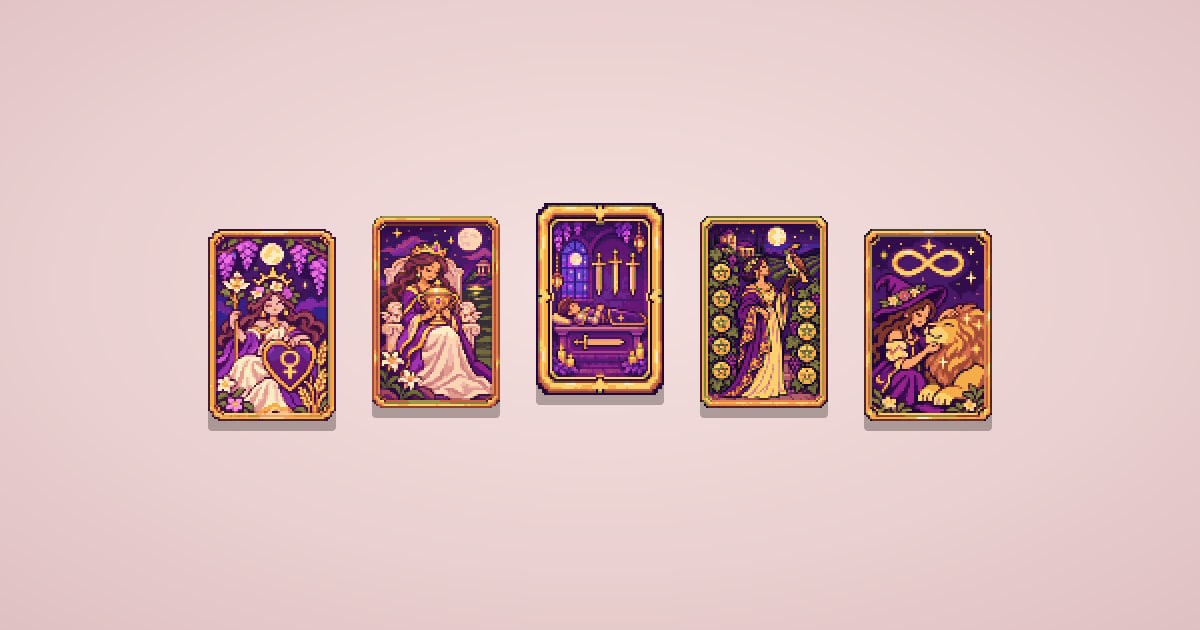
If you searched for tarot for self-love, here is the honest answer first. No card will make you love yourself, and no spread can hand you that feeling. What tarot can do is slow you down long enough to notice how you speak to yourself, and give you a picture to think with while you try a kinder tone.
That is why this article leans toward the word self-compassion. Self-love can sound like a feeling you are supposed to produce on demand, and failing to feel it becomes one more thing to blame yourself for. Self-compassion is plainer: treating yourself, on a bad day, roughly the way you would treat a friend having the same bad day. You can practice that even when the warm feeling is nowhere in sight.
Below are six cards often linked with kindness toward yourself, a short spread, journal prompts, and a way to read a harsh card without turning it into a verdict.
Six cards readers often link with self-compassion
Tarot has no official self-love card, and readers differ. These six come up often because of what their pictures show: rest, comfort, patience, care.


The Empress: being cared for, too
The Empress leans back on a cushioned throne while a field of wheat ripens in front of her. She is not working. The field grows anyway. We have written a whole essay on this card, The Empress and taking care of yourself, so here is only the short version: the card pictures care as something that flows toward you as well as away from you.
The Queen of Cups: listening to your own feelings
A queen sits at the edge of the sea, holding an ornate cup with a lid. She is gazing at it closely, as if trying to hear something inside. Waite saw more than dreaminess in her:
she sees, but she also acts, and her activity feeds her dream.
For self-compassion, she can stand for paying attention to your own feelings with the same patience you might offer someone you love, and then doing something about what you hear.
The Four of Swords: rest without earning it
A knight lies stretched out on a tomb with his hands together, three swords hanging on the wall above and one along the side of his resting place. Waite called him an effigy, and his list of meanings includes "hermit's repose". Many modern readers treat the card as rest and recovery. The knight is not resting because he finished everything. He is resting because a body and a mind need it.
The Nine of Pentacles: good company with yourself
A woman stands alone in a garden heavy with grapes, a hooded bird on her wrist and a small snail near her feet. Waite read the scene as plenty and material well-being. A reader thinking about self-compassion might notice something else: she appears to be enjoying her own company. Nobody else is in the garden, and the picture does not look lonely.
Strength: gentleness that holds
A woman in white, crowned with flowers, rests her hands on a lion's open mouth. The lion does not look frightened or beaten. Waite's meanings for this card include power, courage and magnanimity, and many readers today emphasize the quality of the gesture: firm and soft at the same time. That is a fair picture of how to meet your own harsh inner voice. You do not have to fight it or obey it. You can calm it.
Temperance: kindness at a sustainable pace
An angel stands with a foot in the water and a foot on the bank, pouring a stream between two cups. Waite's meanings for the card begin with "economy, moderation". For self-compassion, Temperance can suggest that care for yourself rarely arrives as one dramatic gesture. It is more often a little at a time, adjusted as you go, like water poured slowly so none of it spills.
A gentle four-card spread for self-compassion
Treat these positions as suggestions: change them, skip one, or use a single card. More ideas live on our tarot spreads page.
Reading a harsh-looking card kindly
Sooner or later a self-compassion reading turns up a painful picture: the Nine of Swords, the Ten of Swords, the Three of Swords. It is easy to read these as an accusation, as if the deck agrees with your worst opinion of yourself. A few habits can help.
- Describe before you decide. Say what is actually in the picture before reaching for a meaning. The Nine of Swords shows someone awake in the dark, not someone who deserves to be.
- Look for what is still there. In the Five of Cups, two cups stand untouched behind the grieving figure. In the Ten of Swords, the sky at the horizon is beginning to brighten. We wrote about that card at length in the Ten of Swords and the dawn.
- Treat it as a moment, not a character. A card can describe how something feels right now. It does not describe who you are.
- Ask the friend's question. If someone you love drew this card, would you tell them it proves they are failing? Probably not. Try offering yourself the same answer.
If you read reversed cards, the same care applies. A reversal can be read as a quieter or blocked version of the upright meaning, which leaves plenty of room for kindness; our lesson on reversed cards explains the common approaches. And if a particular card keeps unsettling you, shadow work with tarot offers a slower way to sit with it.
Journal prompts for self-compassion
You do not need cards for these, but a drawn card can give each one a starting image. Pull one from the deck, or use the card of the day, and write for five minutes.
- What tone did I use with myself today? Where did I hear it?
- Which figure in this card would I like to be treated by?
- What am I asking myself to earn before I am allowed to rest?
- What would "good enough" look like this week, honestly?
- What have I already carried that I rarely give myself credit for?
- If this card were a letter from someone who loves me, what would the first line say?
If the last prompt appeals, our letter to yourself page turns it into a longer exercise, and the journal templates give you pages to print or copy.
When kindness feels out of reach
Some days the gap between how you treat yourself and how you would treat a friend feels impossible to close, and that is not a failure of practice. If the harsh voice has become constant, if it tells you that you do not deserve to be here, or if self-criticism comes with thoughts of hurting yourself, please put the cards down and talk to someone today: a person you trust, a doctor, or a helpline. You will find free, confidential lines for many countries on our safety page. For a softer place to land on a heavy day, there is also a card for a hard day.
Coming back to it
Self-compassion is less like a single breakthrough and more like a habit you return to, often clumsily. A reading every so often, a few lines in a notebook, and one small kind act are plenty. The Emberlune app, if you happen to use it, keeps readings and your talks with Luna in a private journal, which makes it easier to notice later how your tone toward yourself has shifted.
Whatever you use, go gently. The point was never to draw the right card. It was to be on your own side while you look.
Keep reading
-
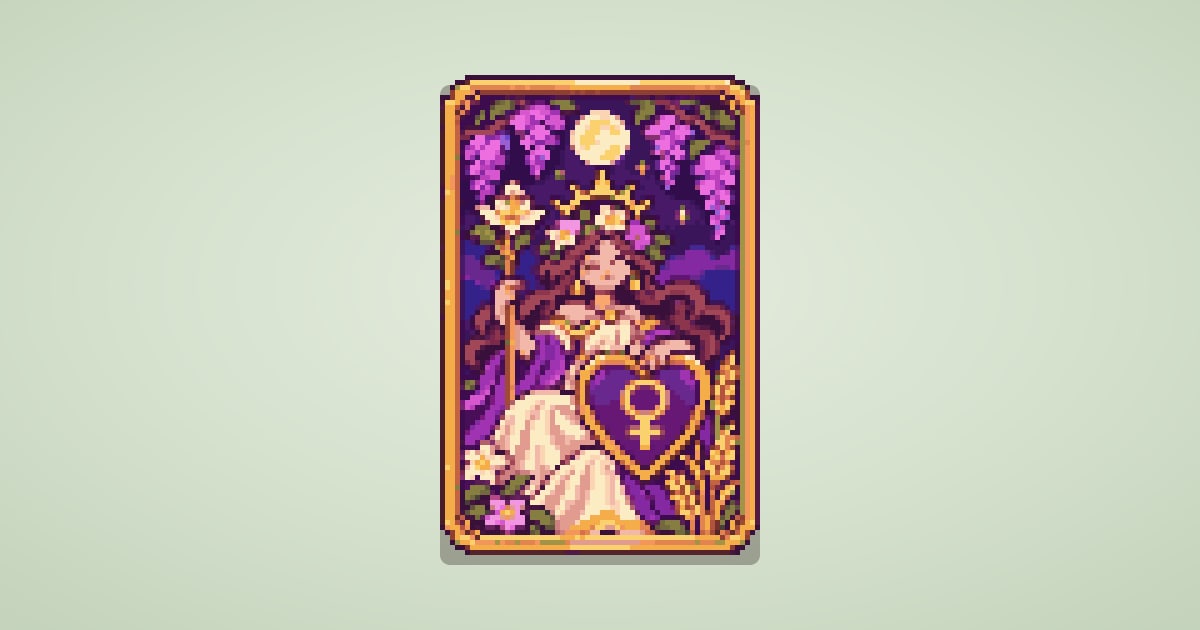 ReflectionsThe Empress and Taking Care of YourselfOn the card of care and growth, the woman resting among her cushions, and why the people who look after everyone are allowed to be looked after too.
-
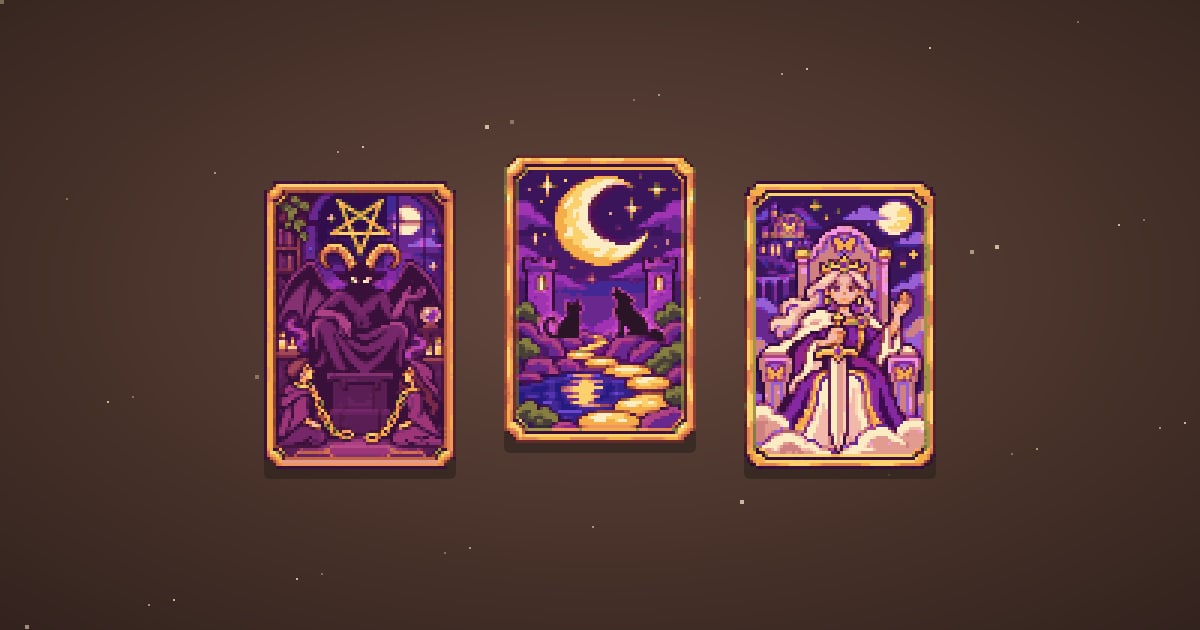 Self-DiscoveryShadow Work With Tarot: A Gentle, Practical ApproachFour careful ways to use the cards to look at the parts of yourself you'd rather not, and where the limits are.
-
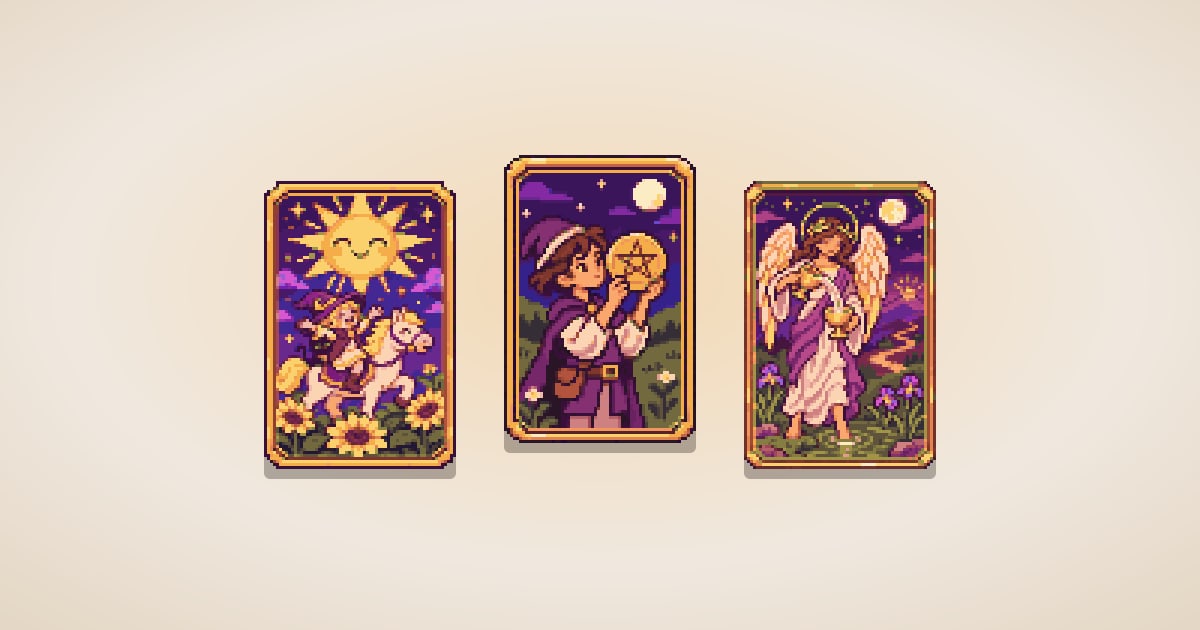 Self-DiscoveryA Morning Tarot Ritual: A Gentle Five-Minute Daily PracticeOne card with your tea or coffee, three plain questions and a line in a notebook, kept small enough that a missed morning never feels like failing.