
A Morning Tarot Ritual: A Gentle Five-Minute Daily Practice
One card with your tea or coffee, three plain questions and a line in a notebook, kept small enough that a missed morning never feels like failing.
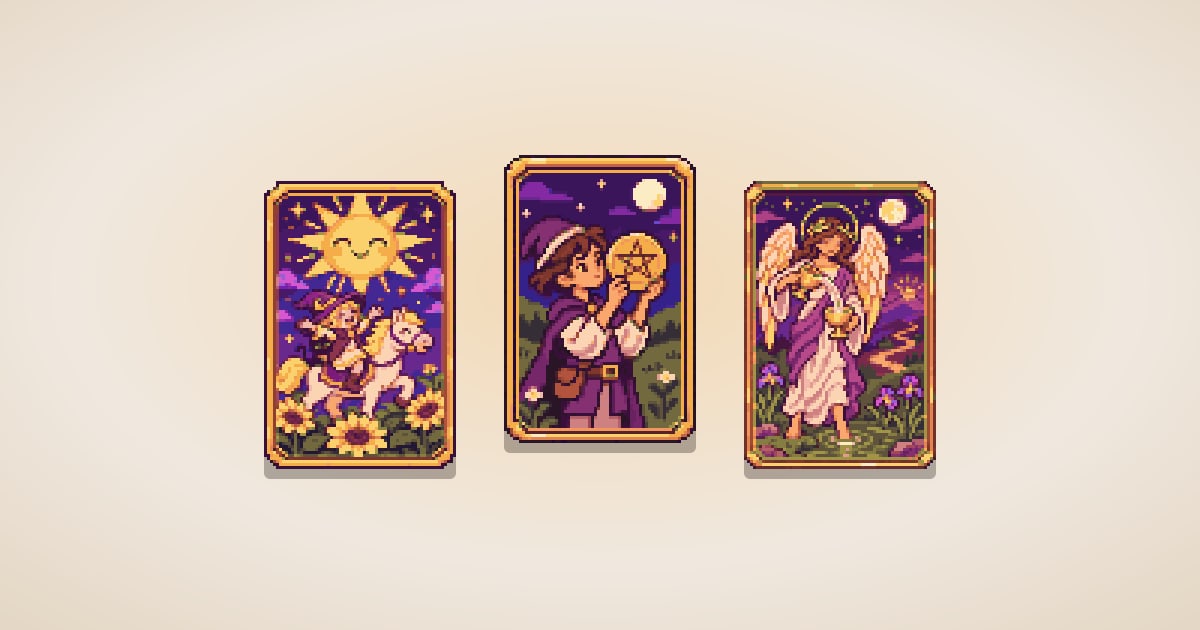
A morning tarot ritual can be very small: make a warm drink, take one slow breath, turn over a single card, ask it three questions, and write one line. In the evening, glance back at that line for a minute. That is the whole practice, and it fits in about five minutes.
The card does not tell you what the day holds. Treat it as a theme you carry lightly, a picture to notice things against, the way a word you just learned suddenly seems to turn up everywhere. If the day goes nothing like the card, the ritual has not failed. You simply have something to write about tonight.
Why mornings suit a daily card
Mornings often come with a pause already built in. The kettle takes a few minutes. The coffee drips. A card can slip into that gap instead of asking you to carve out a new one.
A morning card also has a whole day ahead of it, and a short evening check-in lets you compare the picture with what actually happened. Over a few weeks, that comparison teaches you about the cards and even more about your own habits of attention.
The five-minute ritual, step by step
- Something warm. Tea, coffee, hot water with lemon, whatever you like. Holding the cup gives your hands a job and marks the start. The drink is optional; the pause is the point.
- One breath. Breathe in slowly, then breathe out a little longer than you breathed in. One is enough. If you would like a longer pause, the breathing section of our article on tarot for anxiety goes further.
- One card. Shuffle and turn over one card from your own deck, or open the tarot card of the day, which shows the same card to everyone, with a new one each day. If you have no deck yet, the daily page is a perfectly good way to begin.
- Three questions. Look at the picture before you look up any meaning, then ask the three questions below.
- One line. Write a single sentence in a notebook, with the date and the name of the card. One sentence is the target, not the minimum.
Three questions to ask your card
These three are deliberately plain, so they work with all 78 cards.
- What do I notice first? A color, a gesture, an object, a face turned away. Name it before you think about meanings.
- Where could this picture be worth remembering today? Not as a forecast, but as a lens. Is there a meeting, a phone call, a chore or a quiet hour where this image might be useful to hold in mind?
- What is one small thing I could do with it? Something you could actually finish before bedtime, and would be glad to have done whichever card turned up.
If you want questions to rotate in over time, our collection of tarot journal prompts has forty, including sets for hard days and good days. In the morning, though, keep to three. More than that turns a five-minute pause into homework.
The one line, and what goes in it
The line can be the card's name plus whatever stuck with you: a word, an intention, a question you want to keep asking. A few illustrative examples of the shape:
- "Temperance. Don't pour everything into one cup today."
- "The Sun. Find one thing that is simply good."
- "Five of Wands. Which argument is actually mine to have?"
For a fuller format later, try the five-line entry in how to start a tarot journal, or print one of our free journal pages. For a morning ritual, one line is plenty.
The evening check-in
Before bed, or whenever the day winds down, open the notebook and reread the morning's line. Ask yourself a single question: did that picture show up anywhere today?
All three honest answers are useful. Yes, and here is where. No, the day went somewhere else entirely. Or, I forgot about it by nine o'clock. Write a word or two beside the morning line and close the book.
The check-in is not a grade for the card, or for you. It is how you find out, slowly, which cards you read into everything, which ones you skip past, and what you really pay attention to. If evenings are your only quiet time, you can draw at night instead.
Variations for real mornings
Busy mornings
Skip the drink and the shuffle. Open the card of the day on your phone, look at it for one breath, and ask only the third question: what is one small thing? Write the line on the bus, at lunch, or not at all. Thirty seconds still counts.
Hard mornings
Some mornings start heavy: after bad news, after a sleepless night, or in the middle of a long stretch of grief or worry. On those days you don't need a random draw. You can choose a card on purpose, one whose picture feels kind to you, and simply look at it while your drink cools. Or open a card for a hard day, which was made for mornings like this. Ask only one question: what could make the coming hour feel softer?
If a difficult card turns up and lands badly, put it back. You are allowed to. Our piece on what to do when you draw a scary card takes that more slowly. If mornings have felt hard for weeks, a deck is not enough support on its own; our safety page lists helplines and other places to turn.
Weekends
With more time, stretch the ritual rather than adding to it. Take the drink to a window or outside. Spend longer with the picture. Read back over the week's lines and see whether any card or theme came up more than once. If you want something bigger on a slow Saturday, choose a short layout from our tarot spreads, but a single card is still enough.
How to keep it from becoming a test you fail
Daily rituals have a way of turning into chores, and chores have a way of turning into guilt. A few habits keep this one gentle:
- A missed day is just a missed day. There is no streak to break. Pick up the next morning without catching up on the days you skipped.
- Don't redraw for a nicer card. If you disliked the card, write that down; it is an observation, not a mistake to correct. Drawing again until it feels right turns reflection into a hunt for reassurance.
- Don't score whether the card "came true." The evening question asks where you noticed the picture, not whether it called the day correctly. A card that matched nothing is still a complete entry.
- Let the ritual change shape. If the drink, the breath or the notebook stop helping, drop them. The only part worth keeping is a moment of attention.
Pictures that are pleasant to wake up to
Any card works, but a few Rider-Waite-Smith pictures feel especially at home beside a morning cup. In Pamela Colman Smith's Sun, a child rides a white horse under a great sun with a face, and sunflowers rise above a wall behind. Temperance shows an angel pouring between two cups, which is hard not to think of while you pour your own.
Starting tomorrow
Tonight, put a notebook and a pen next to wherever you make your morning drink. Tomorrow, before the first message or headline, take one breath, turn over one card, and write one line. If you are new to the deck, the first-week guide and the free Learn Tarot course fill in meanings as you go, including the lesson on the Major Arcana. The Emberlune app also keeps each reading in a private journal where you can talk it over with Luna. Paper works equally well; use whichever you will actually open.
Then, in the evening, look back for a minute. That is the ritual. It is small on purpose.
Keep reading
-
 Self-DiscoveryTarot Journal Prompts: 40 Gentle Ideas for Self-ReflectionQuestions to write beside the card you drew, grouped by purpose, and not one of them asks the cards to tell the future.
-
 Self-DiscoveryHow to Start a Tarot Journal You'll Actually Want to KeepA five-line entry you can write in two minutes, how to spot the cards that keep coming back, and what to do when you read old pages.
-
 Self-DiscoveryCan You Read Tarot for Yourself? Yes, and Here Is How to Do It HonestlyMost people learn the cards by reading for themselves. The real difficulty is not luck or permission but the part of us that wants a particular answer.