
What to Do When You Draw a Scary Tarot Card
Calm first aid for a frightening draw: what the hard pictures actually show, three slow steps, and why no card can foretell a disaster.
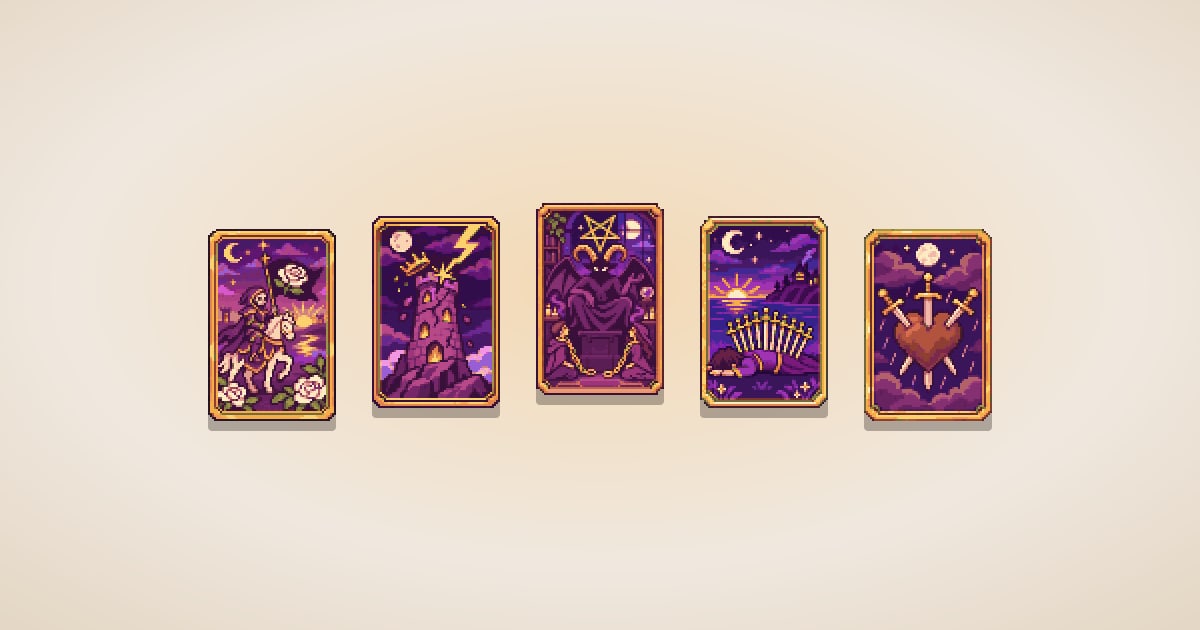
You turned over a card and your stomach dropped. Maybe it was Death, or The Tower, or a body with ten swords in its back. Before anything else, here is the honest answer you came for: the card cannot tell you that something terrible is going to happen. Tarot does not foretell illness, death or disaster, and no reader can see that in a picture. What you are feeling is real, and it is a reaction to an image, not to news.
So you can slow down. This guide explains why some cards look so frightening, what each of the usual suspects actually shows, and a three-step way to sit with one until it feels like a picture again.
Why some cards look frightening
Many modern decks follow the 1909 Rider-Waite-Smith pictures by Pamela Colman Smith, and that deck shows people living whole lives. Lives include grief, loss, fear and bad nights, so the deck includes them too. A deck with only pleasant pictures would be a deck that could not talk about half of what happens to us.
The frightening cards are also drawn to be striking: skeletons, lightning, black skies. That is good storytelling, and it is also why the body reacts before the mind has a chance to look. A jolt of fear when you see a skeleton on horseback is a normal human response. It is not a sign that the deck is warning you.
Three of the cards below are Major Arcana, the 22 cards about big life themes, which you can read more about in our lesson on the Major Arcana. The other four are Minor Arcana cards, about the ordinary weather of daily life.
The usual suspects, and what they really show
Death. A skeleton in armor sits on a pale horse and holds a black flag marked with a white rose, while a sun comes up far behind. The common fear is that it means someone will die. Most readers today take it as the end of a chapter instead: a role, a habit, a season of life. Our full guide to the Death card looks at each figure.
The Tower. Lightning strikes a tall tower, a crown falls, two people tumble out. The fear is that disaster is on its way. Many readers see it instead as the moment something shaky is finally shown to be shaky, which can be a relief as well as a shock. Our close reading of The Tower goes further.
The Devil. A horned figure with bat wings perches on a dark block, and two small naked people stand chained to it. People often fear it means evil, a curse or something sinister in their life. Look at the chains, though: they hang loosely around the two necks, and many readers point out that the pair could lift them off. The card is usually read as a picture of habits, cravings or patterns that hold us more by agreement than by force.
The Ten of Swords. Someone lies face down, ten swords standing in their back. It looks like the worst card in the deck. Yet low in the sky a strip of yellow light is breaking, and the water nearby is calm. Many readers take it as the moment a long struggle is finally over. We wrote an essay about that sunrise.
The Three of Swords. Waite's own description is one line:
Three swords piercing a heart; cloud and rain behind.
People fear it means betrayal, or a heartbreak that will never heal. It is a picture of sorrow, yes. It is also a picture of weather. Rain is something that falls and then stops. The card names hurt honestly without saying how long it lasts.
The Nine of Swords. Someone sits up in bed at night with their face in their hands, nine swords on the wall behind. The fear is that something dreadful is coming. Look closely and the swords are not touching the figure at all. It is a card of worry, which is not the same as the thing worried about. Our essay on worry at night stays with that card longer.
The Five of Pentacles. Two figures in rags walk through snow, one on crutches. Waite describes it simply:
Two mendicants in a snow-storm pass a lighted casement.
The fear is money trouble or being left out in the cold. But the lighted window is right there, glowing with five pentacles. Many readers see the card as hardship plus a question: where is help nearby that I have not yet looked toward?
Three slow steps for a scary card
When a card frightens you, try not to rush to the meaning. The meaning can wait. These three steps are about getting your feet back under you first.
If the card came up reversed, the same steps apply. An upside-down Death or Tower is not an extra dose of bad luck; the lesson on reversals covers the gentler ways readers handle them.
Why redrawing for a nicer card feeds the fear
The urge to shuffle and draw again is understandable. But consider what a redraw teaches you. It tells your nervous system that the first card was a threat that had to be escaped. The next time that card appears, it may feel more dangerous, not less, because you have practiced running from it.
There is a second problem. If you keep drawing until you see something comforting, the comforting card is not an answer either. It is just the card you stopped on. Most people sense that, which is why the relief tends to fade quickly and the urge to check comes back.
Staying with the first card, using the three steps above, is a way of showing yourself that the picture can be looked at and survived. That usually makes the next hard card easier. Our guide to tarot for anxiety has more on noticing when a reading has slipped into reassurance seeking.
No card foretells illness, death or disaster
It is worth saying plainly once more. A tarot card cannot diagnose an illness, announce a death, or warn you about an accident. It cannot reveal what another person is planning. Even Waite, in his notes on the Ten of Swords, said that card was not mainly about violent death. Reflective readers today go further: the cards are pictures to think with, not messages about future events.
If you are worried about your health, a doctor can actually help, and a card cannot. If a reading has left you badly shaken, or dark thoughts about your own life are coming up, put the deck away and talk with a person you trust, or call a helpline: there are numbers for many countries on our safety page.
When today is already heavy
Some days you are not up for any of this, and that is allowed. You can put the deck in a drawer for a week. If you would like something gentler, a card for a hard day offers only soft, steadying cards, chosen for exactly those moments.
When you do come back, it can help to write the scary card down with the date and one line about how you felt. Look again in a month. Often the card that frightened you turns out to have been about something small and survivable, and seeing that in your own handwriting is quietly reassuring. The Emberlune app saves each reading to a private journal, which makes that kind of looking back easy.
A frightening card is an invitation to slow down, look closely and be kind to yourself. You get to decide how far you follow it.
Keep reading
-
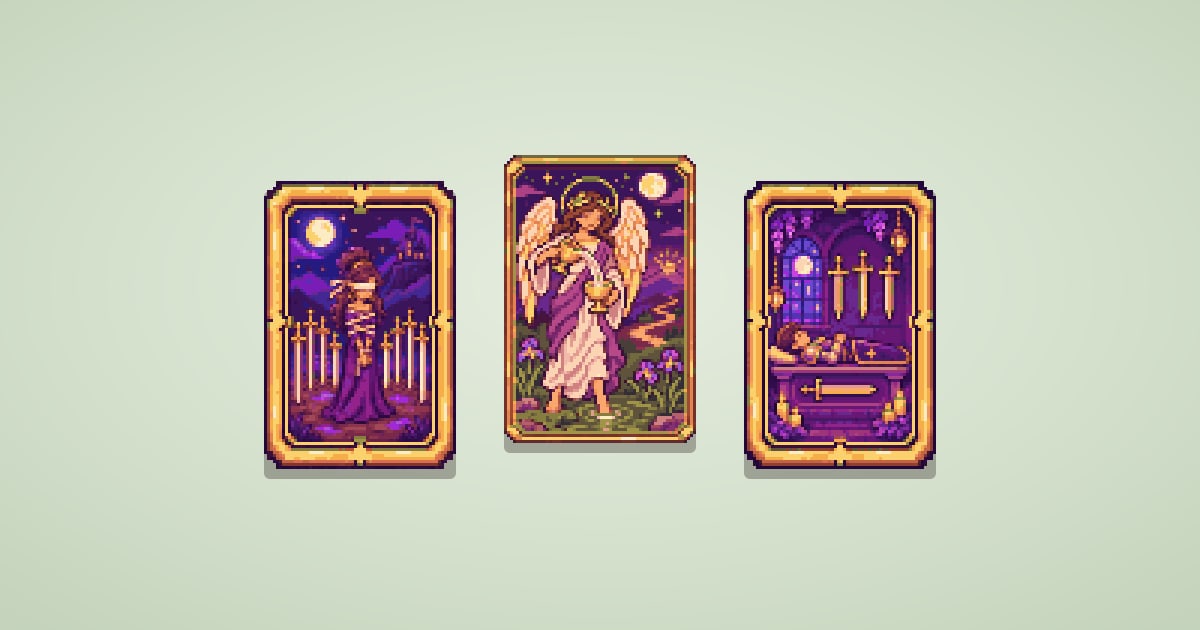 Self-DiscoveryTarot for Anxiety: When It Helps, and When It Feeds the WorryThe cards can slow a racing mind or speed it up. How to tell which is happening, and a small spread for the days when worry is loud.
-
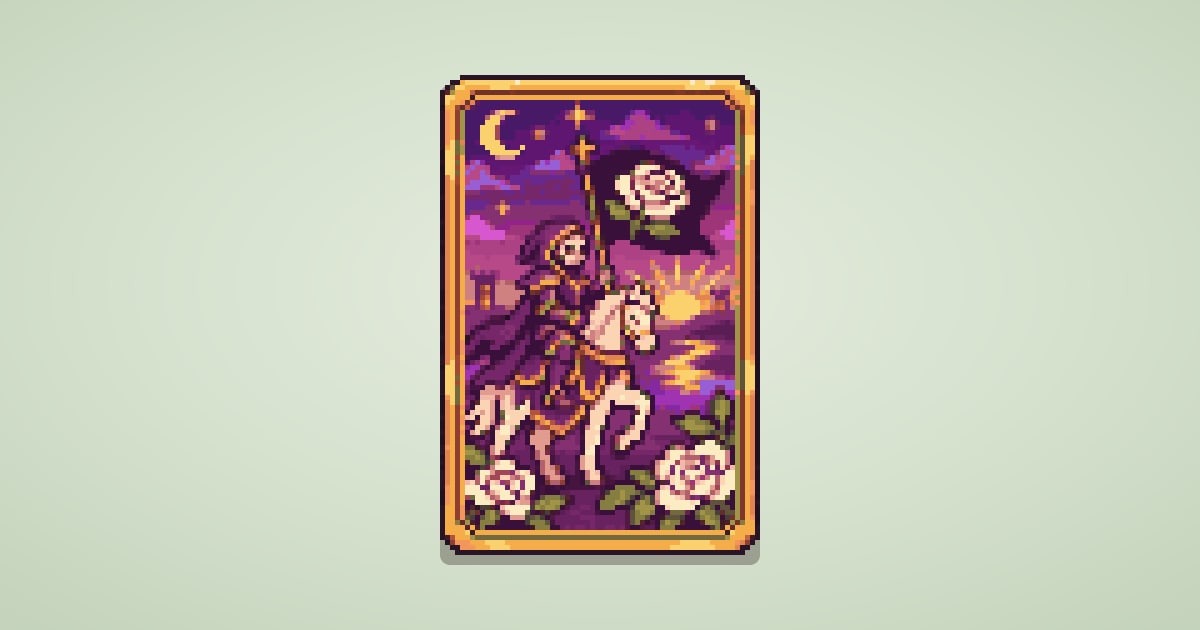 Card Deep DivesThe Death Tarot Card: Why It Almost Never Means DeathA frightening picture, explained plainly: what is drawn on it, how it changed over the centuries, and how to read an ending without dread.
-
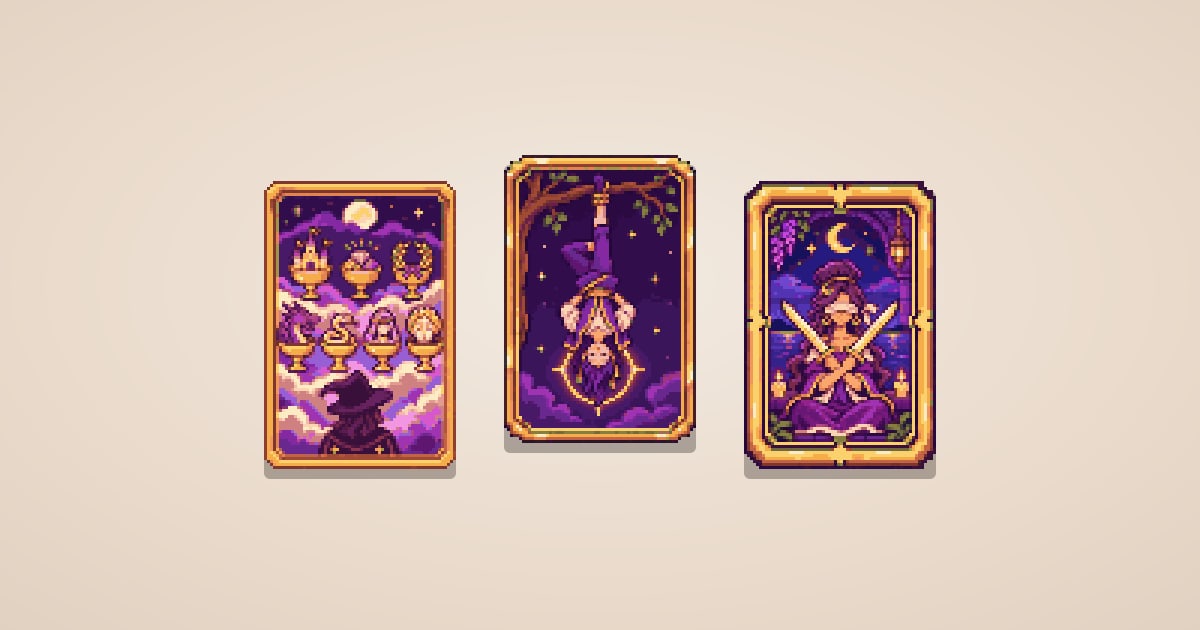 Learn TarotHow Does Tarot Work? An Honest AnswerTarot has no proven power to predict events, and it can still help you think. Here is how pictures, chance, structure and a pen do the work.