
The Five of Cups and Regret: Looking at What Still Stands
On the card of spilled cups, how regret narrows what we can see, and why nobody has to be hurried into turning around.
 Five of Cups · full meaning →
Many of us know the replay. It starts with something small: a song, a street name, a photograph that surfaces on your phone. Then the old scene runs again. The thing you said, or didn't say. The offer you turned down, the call you meant to return, the year you spent on the wrong thing. You know how it ends, because it always ends the same way, and still you watch it all the way through.
Regret has a way of making one moment fill the whole screen. The tarot has a card for exactly that kind of looking.
What the card shows
On the Five of Cups in the 1909 Rider-Waite-Smith deck, a figure stands wrapped in a long black cloak, head bowed. At their feet, three cups lie tipped over, and whatever they held has run out onto the ground. Behind the figure, two cups are still standing upright, untouched. Farther back, a river runs across the card, a bridge crosses it, and on the far side stands a small house or keep. The sky is a flat, pale gray.
A. E. Waite set the scene down plainly:
A dark, cloaked figure, looking sideways at three prone cups; two others stand upright behind him; a bridge is in the background, leading to a small keep or holding.
What makes the card so tender is that nothing in it is exaggerated. No storm, no blade, no ruin. Only a person, a loss, and the things they can't see because of where they are facing.
How regret narrows the view
Look at the cloak. It covers the figure almost completely, falling from the head to the ground, and it works a little like blinkers. With the head bowed and the cloak drawn close, there is room for only one view: the spilled cups.
That is very close to how regret works. It isn't simply sadness about the past. It is sadness with a narrow lens, fixed on the one place where things went wrong, and on the version of yourself who could have chosen differently. The two standing cups are only a step or two away. The bridge is right there. But from inside the cloak, none of it is in the picture.
Waite's note on the meaning is worth reading slowly. He called it a card of loss, and then added a phrase that seems made for regret: something given or passed on, "but not corresponding to expectations." Much of what we regret is exactly that. Not a disaster, but a gap between what we hoped would happen and what did. A career that went sideways. A friendship that thinned out. A parent we understood too late.
The garden behind you
The next card in the suit, the Six of Cups, also looks backward, but in a different mood. Waite described it simply: "Children in an old garden, their cups filled with flowers." It is the past as a place of sweetness, where the Five shows the past as a place of loss.
Regret and fond memory are close relatives. Both turn around to face what has already happened. It can help to notice which one you are visiting on a given evening, because they ask different things of you. Memory can be held and enjoyed. Regret tends to ask for a verdict, again and again, on a case that closed a long time ago.
Turning around, slowly
Nothing in the Five of Cups forces the figure to turn. The cups behind are not glowing or calling out. They are just there, patient, as they will be tomorrow and next month. That matters. Some regrets need a long look before anything else is possible, and grief over a real mistake is not something to be cut short with a cheerful word.
If your loss is a death rather than a choice, we wrote about this same card in Tarot and Grief, which stays with mourning and remembering for as long as they need.
When turning does come, it is usually smaller than people expect. Not a dramatic change of heart. More like shifting your weight from one foot to the other, until the edge of a standing cup comes into view. Then the river. Then the bridge, which doesn't ask you to cross it today, only shows that a way home exists.
Judgement, the great card of reckoning, pictures something similar on a larger scale. An angel sounds a trumpet, and people rise with their arms open. It is easy to read that card as harsh, a final verdict. Many readers see it the other way: a call to look honestly at the past, and then to stop sentencing yourself for it.
Three small things for this week
Count the two cups. Once this week, when the replay begins, name one thing that the old mistake did not take from you. A skill you kept. A person who is still here. A lesson that you now carry without having to think about it. Say it out loud if you can. It won't erase the three, and it doesn't need to.
Look for a repair, or a goodbye. Some regrets still have a small door open: a message to someone you lost touch with, an apology that is late but not too late, a class you could still sign up for. Others are fully closed. For those, a quiet goodbye can do what a repair would have done, whether that is a walk, a lit candle, or a sentence said to the empty room.
Change where you are standing. When you notice you have been looking sideways at the same scene for an hour, move your body. Step outside, go to a different room, cross an actual street. It sounds too simple, and sometimes it is, but the card suggests that the view changes with where you stand, and the body can lead the mind there.
If regret has grown into something heavier, a sense that you don't deserve to be here or that nothing could ever be set right, please talk to someone today. You can find a free crisis line for your country on our safety page.
What remains
The Five of Cups is not a card about getting over things. It is a card about the shape of a loss, three on the ground and two still standing, and about a bridge that waits without hurrying anyone. If you want a companion for the next part, our essay on The Fool and starting over picks up where this card leaves off.
You can grieve what spilled. And when you're ready, whenever that is, you can turn and find that not everything was poured out.
Keep reading
-
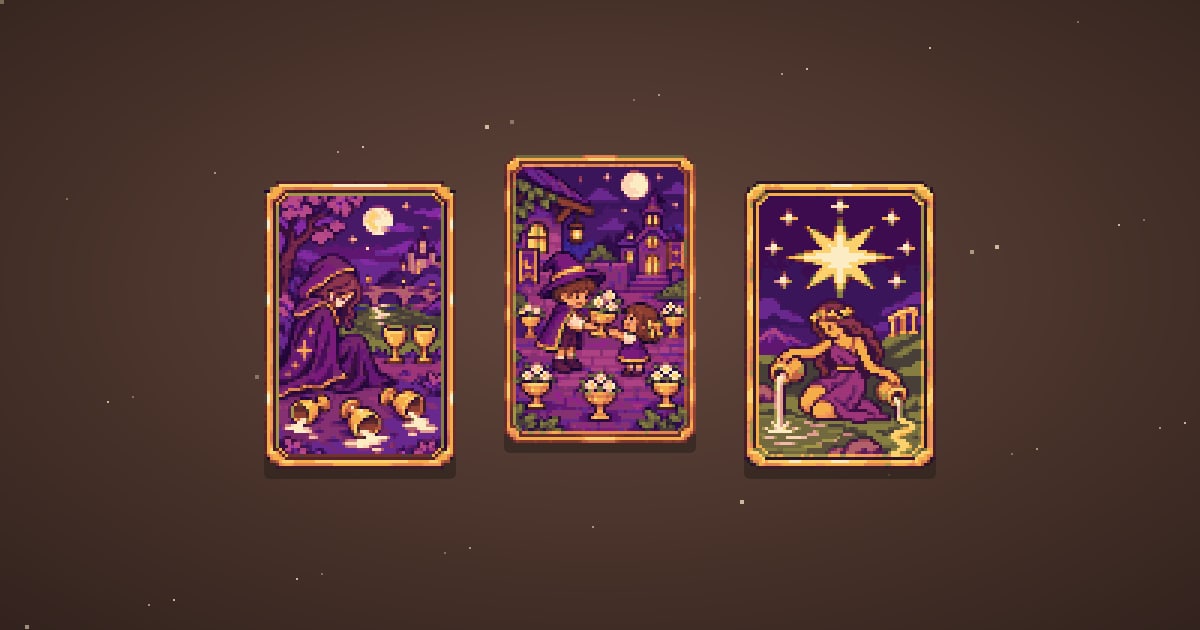 Self-DiscoveryTarot and Grief: A Gentle Way to Sit With Loss and RememberThe cards cannot bring anyone back or speak for them. They can give a heavy feeling a picture, and give remembering a quiet place to sit.
-
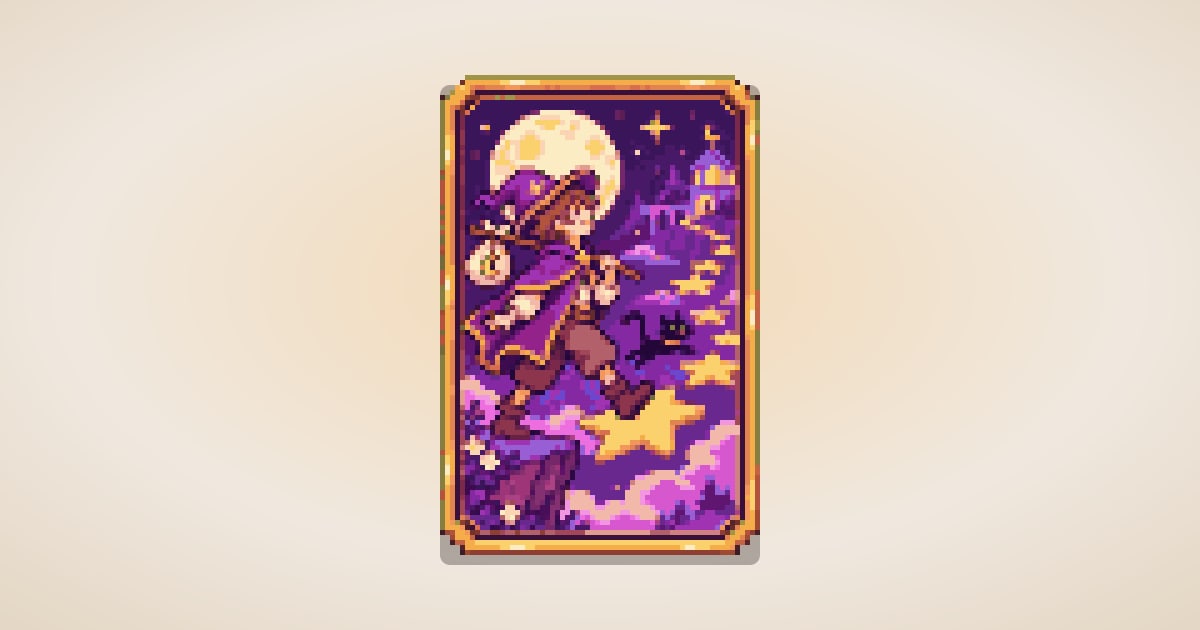 ReflectionsWhat The Fool Knows About Starting OverOn beginning again when you didn't choose to, and the card that steps toward the edge anyway.
-
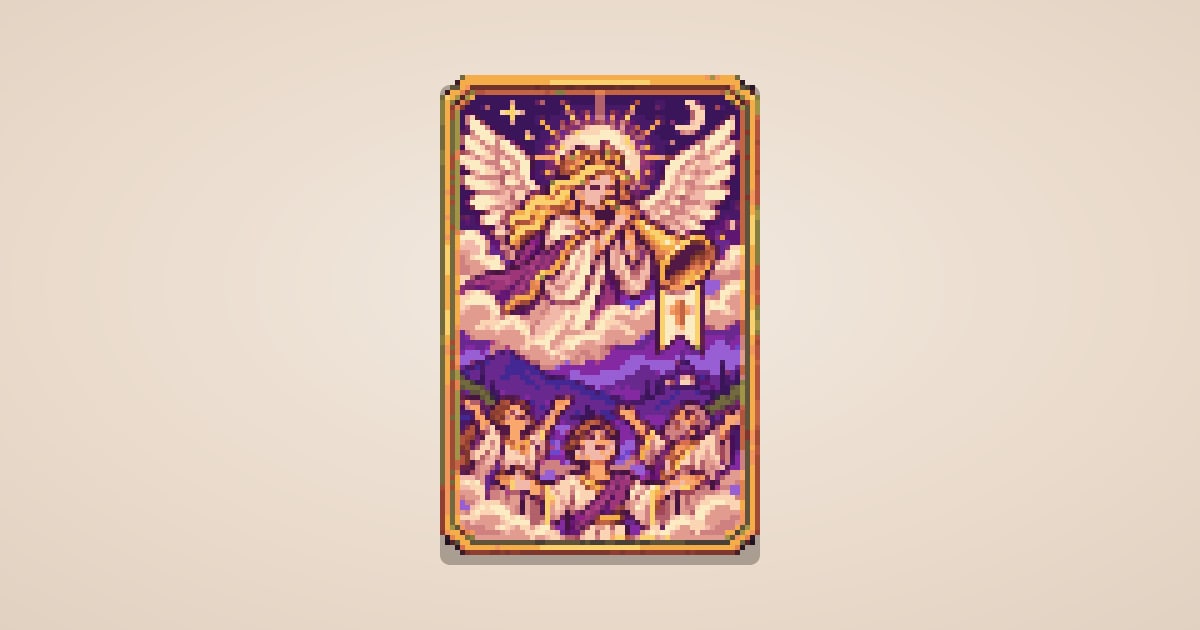 ReflectionsJudgement and Second Chances: Waking Up to Your Own LifeOn the card many people fear will condemn them, and why its picture looks less like a courtroom and more like a morning.